



Note: Please check your Spam or Junk folder, in case you didn't receive the email with verification code.

 English
Non-Linear: Random Order
Course Objectives
Understanding Core Concepts: Grasp the fundamental principles of enterprise security, including network security, information security, and operating system security.
Current Cybersecurity Landscape: Describe the current state of cybersecurity and the various threats that enterprises face.
Red Team vs. Blue Team Exercises: Learn about the roles of red teams (attackers) and blue teams (defenders) and practice exercises to strengthen security defenses.
Assume Compromise Approach: Understand and apply the "Assume Compromise" philosophy to security, preparing for the worst-case scenario.
Security Concepts: Define and explain key security concepts such as the CIA Triad (Confidentiality, Integrity, Availability).
Attack and Defense Techniques: Practice real-world attack techniques and defense strategies.
Security Processes: Develop organizational security processes and responses to potential threats.
Hands-On Practice: Engage in hands-on exercises using industry-standard tools and methods.
Technical Proficiency: Gain proficiency in using security tools and technologies.
Analytical Skills: Develop the ability to analyze security incidents and respond effectively.
Problem-Solving: Enhance problem-solving skills by tackling real-world security challenges.
Communication: Learn to communicate security concepts and incidents clearly and effectively.
Security Analyst: Monitor and analyze security threats and incidents.
Security Engineer: Design and implement security measures to protect enterprise systems.
Incident Responder: Respond to and mitigate security breaches and incidents.
Penetration Tester: Simulate cyberattacks to identify vulnerabilities in systems.
Security Consultant: Advise organizations on best practices and strategies for securing their environments.
 Importance of Enterprise Security in Modern Organizations
Key Concepts Threats, Vulnerabilities, Risks
Types of Security Physical, Cyber, and Operational
Security vs. Privacy in Enterprises
Role of Enterprise Security Professionals
Importance of Enterprise Security in Modern Organizations
Key Concepts Threats, Vulnerabilities, Risks
Types of Security Physical, Cyber, and Operational
Security vs. Privacy in Enterprises
Role of Enterprise Security Professionals
 Ref:Industry perspective cyber security
Duration:
Ref:Industry perspective cyber security
Duration:
 Unit1 Test
10 Questions
Network Architecture and Protocols
Firewalls, Intrusion Detection, and Prevention Systems
VPNs and Secure Remote Access
Wireless Security Best Practices
Network Monitoring and Logging
Ref: Nework security
Duration:
Unit2 Test
10 Questions
Securing Desktops, Laptops, and Mobile Devices
Role of Antivirus and Anti-Malware Software
Endpoint Detection and Response (EDR) Solutions
BYOD (Bring Your Own Device) Policies
Patch Management and Updates
Ref:Device Security
Duration:
Unit3 Test
10 Questions
Principles of Identity and Access Control
Authentication Methods
Authorization and Role-Based Access Control
Single Sign-On (SSO) and Identity Federation
Implementing IAM in Cloud Environments
Ref: Idenity management
Duration:
Unit Test 4
10 Questions
Data Classification and Encryption Methods
Secure Data Storage and Backup Strategies
Protecting Data in Transit and at Rest
Data Privacy Regulations
Data Loss Prevention
Ref: Cyber security and privacy
Duration:
Unit Test 5
10 Questions
Secure Software Development Life Cycle
Common Web Application Vulnerabilities
Application Security Testing Tools
Code Reviews and Secure Coding Practices
Securing APIs and Microservices
Ref Cyber security technologies
Duration:
Unit Test 6
10 Questions
Shared Responsibility Model in Cloud Security
Securing Cloud Workloads and Containers
Identity and Access Management in Cloud Environments
Cloud Security Posture Management
Risk Mitigation in Multi-Cloud and Hybrid Deployment
Ref:Cloud computing security
Duration:
Unit Test 7
10 Questions
Types of Cyber Threats
Threat Hunting and Analysis Techniques
Cybersecurity Tools for Threat Intelligence
Using AI and ML for Threat Detection
Case Studies of Major Cybersecurity Incidents
Ref: Cyber threat Intelligence
Duration:
Unit Test 8
10 Questions
Overview of Security Frameworks
Compliance Standards and Audit
Implementing a Security Program
Reporting and Documentation Practices
Legal and Ethical Aspects of Enterprise Security
Ref: Security Frameworks
Duration:
Unit9 Test
10 Questions
Incident Response Planning and Execution
Security Operations Center
Forensic Investigation in Cybersecurity
Disaster Recovery and Business Continuity Planning
Post-Incident Analysis and Reporting
Forensic investigation in cyber security
Duration:
Unit10 Test
10 Questions
Role of Artificial Intelligence in Cybersecurity
Blockchain for Secure Transactions
Quantum Computing and Its Impact on Security
Zero Trust Architecture
Future Trends in Enterprise Security
Cybersecurity policy
Duration:
Unit 11 Test
10 Questions
Analysis of a Security Breach Causes, Mitigation, and Lessons Learned
Designing a Security Policy for a Hypothetical Organization
Developing and Presenting a Security Incident Response Plan
Simulation of a Cyberattack and Defense Strategies
Peer Review and Reflection on Security Challenges
Unit 12-Self Assessment
20 Questions
Unit 12
10 Questions
Final Assessment
30 Questions
Unit1 Test
10 Questions
Network Architecture and Protocols
Firewalls, Intrusion Detection, and Prevention Systems
VPNs and Secure Remote Access
Wireless Security Best Practices
Network Monitoring and Logging
Ref: Nework security
Duration:
Unit2 Test
10 Questions
Securing Desktops, Laptops, and Mobile Devices
Role of Antivirus and Anti-Malware Software
Endpoint Detection and Response (EDR) Solutions
BYOD (Bring Your Own Device) Policies
Patch Management and Updates
Ref:Device Security
Duration:
Unit3 Test
10 Questions
Principles of Identity and Access Control
Authentication Methods
Authorization and Role-Based Access Control
Single Sign-On (SSO) and Identity Federation
Implementing IAM in Cloud Environments
Ref: Idenity management
Duration:
Unit Test 4
10 Questions
Data Classification and Encryption Methods
Secure Data Storage and Backup Strategies
Protecting Data in Transit and at Rest
Data Privacy Regulations
Data Loss Prevention
Ref: Cyber security and privacy
Duration:
Unit Test 5
10 Questions
Secure Software Development Life Cycle
Common Web Application Vulnerabilities
Application Security Testing Tools
Code Reviews and Secure Coding Practices
Securing APIs and Microservices
Ref Cyber security technologies
Duration:
Unit Test 6
10 Questions
Shared Responsibility Model in Cloud Security
Securing Cloud Workloads and Containers
Identity and Access Management in Cloud Environments
Cloud Security Posture Management
Risk Mitigation in Multi-Cloud and Hybrid Deployment
Ref:Cloud computing security
Duration:
Unit Test 7
10 Questions
Types of Cyber Threats
Threat Hunting and Analysis Techniques
Cybersecurity Tools for Threat Intelligence
Using AI and ML for Threat Detection
Case Studies of Major Cybersecurity Incidents
Ref: Cyber threat Intelligence
Duration:
Unit Test 8
10 Questions
Overview of Security Frameworks
Compliance Standards and Audit
Implementing a Security Program
Reporting and Documentation Practices
Legal and Ethical Aspects of Enterprise Security
Ref: Security Frameworks
Duration:
Unit9 Test
10 Questions
Incident Response Planning and Execution
Security Operations Center
Forensic Investigation in Cybersecurity
Disaster Recovery and Business Continuity Planning
Post-Incident Analysis and Reporting
Forensic investigation in cyber security
Duration:
Unit10 Test
10 Questions
Role of Artificial Intelligence in Cybersecurity
Blockchain for Secure Transactions
Quantum Computing and Its Impact on Security
Zero Trust Architecture
Future Trends in Enterprise Security
Cybersecurity policy
Duration:
Unit 11 Test
10 Questions
Analysis of a Security Breach Causes, Mitigation, and Lessons Learned
Designing a Security Policy for a Hypothetical Organization
Developing and Presenting a Security Incident Response Plan
Simulation of a Cyberattack and Defense Strategies
Peer Review and Reflection on Security Challenges
Unit 12-Self Assessment
20 Questions
Unit 12
10 Questions
Final Assessment
30 Questions
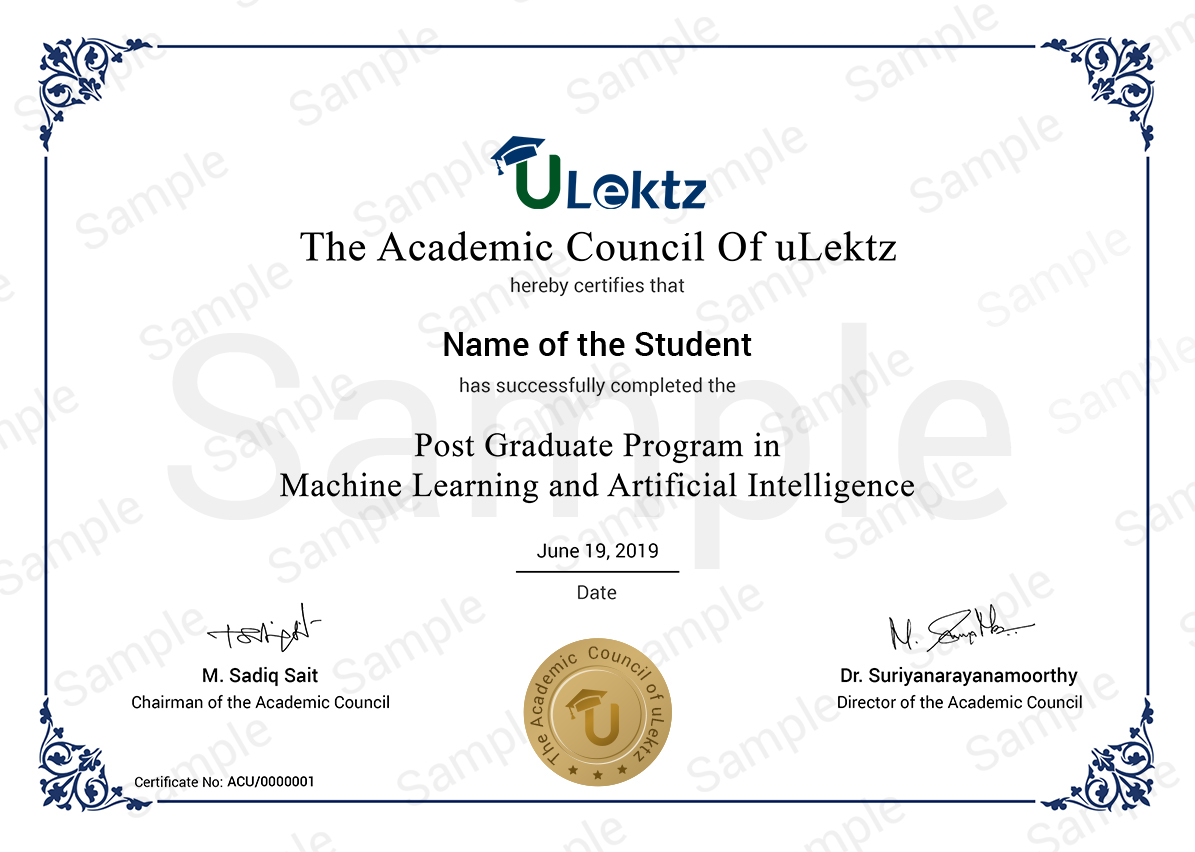
The certificate issued for the Course will have
Only the e-certificate will be made available. No Hard copies. The certificates issued by The Academic Council of uLektz. can be e-verifiable at www.ulektzskills.com/verify.


 40 hours Learning Content
 100% online Courses
 English Language
 Certifications
Recommended Courses
See more
 90 hours of Learning Content


90 hours of Learning Content

60 hours of Learning Content
60 hours of Learning Content
60 hours of Learning Content


 0
0




 Course Enrollment